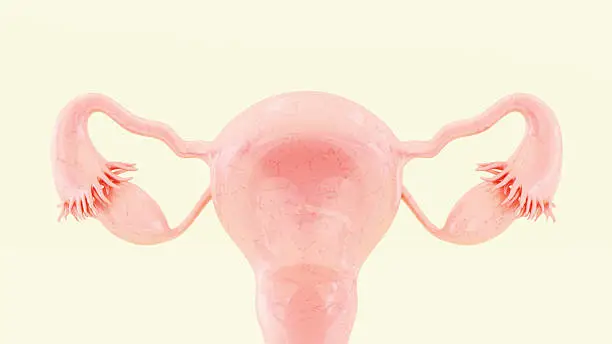
Seed Cycling for PMS: Can Seeds Really Help Your Hormones?

If you find yourself snapping at the people you love, reaching for chocolate at 3pm or wincing through cramps every month, you are far from alone.
Premenstrual syndrome is one of the most common things I see in clinic, and one of the questions I am asked most often is whether seed cycling actually helps.
In this post I walk you through what PMS is, what is happening with your hormones, how seed cycling works and what the research says so far. I also share my practical tips to help you get started.
What is PMS?
Premenstrual syndrome (PMS) is a group of physical and emotional changes that appear in the days leading up to your period.
They follow a predictable rhythm: symptoms build in the second half of your cycle and then settle within a day or two of your period starting.
Most people who menstruate notice some premenstrual changes at some point. For some it is a mild nuisance. For others it affects sleep, work, relationships and how they feel about themselves.
PMS is usually confirmed by tracking symptoms over at least two cycles to see whether they line up with the days before your period.
Common symptoms of PMS
Everyone experiences PMS a little differently, but the most common symptoms include:
Physical
Bloating and fluid retention
Tender or swollen breasts
Period pain and cramping
Headaches
Tiredness and low energy
Food cravings and appetite changes
Skin breakouts
Emotional
Mood swings and irritability
Anxiety or feeling on edge
Low mood or teariness
Trouble concentrating
Feeling overwhelmed
Changes in sleep
When to see your GP: if your symptoms are severe, if low mood or anxiety feels hard to manage, or if symptoms do not ease once your period starts, please speak with your doctor. Some conditions can look like PMS and are worth ruling out.

What is going on with my hormones?
Your cycle is run by an ongoing conversation between your brain and your ovaries, this is called the hypothalamic-ovarian-axis (HPO axis). Each month oestrogen and progesterone rise and fall in a set pattern. PMS is thought to happen when your body is especially sensitive to these shifts, or when the balance between the two hormones is disrupted. A few things are commonly involved:
Oestrogen and progesterone imbalance. When oestrogen is high compared with progesterone in the second half of your cycle (often called oestrogen dominance), breast tenderness, bloating and mood changes tend to be worse.
The pre-period hormone drop. Both hormones fall quickly in the last few days before your period. This affects brain chemicals such as serotonin and GABA, which helps regulate mood, sleep and appetite.
Low progesterone. Progesterone has a calming effect on the nervous system. If ovulation is weak or progesterone is low, you may feel more anxious, unsettled or have trouble sleeping.
Your gut. Your gut bacteria help your body recycle and clear oestrogen. When gut health is off balance, more oestrogen can be reabsorbed into the bloodstream instead of leaving the body, contributing to overall oestrogen dominance.
Inflammation, prostaglandins and oxidative stress. These can make cramps and pain worse and disrupt the way hormones are made and used.
Understanding your menstrual cycle
A typical cycle is around 28 days, counted from the first day of your period. It has two main halves with ovulation in the middle.

Follicular phase (days 1 to 14). This half begins on the first day of bleeding and runs until ovulation. Hormones are at their lowest during your period, then oestrogen climbs steadily as your ovaries prepare an egg. Many people feel their energy, mood and motivation lift during this time.
Ovulation (around day 14). Oestrogen peaks and triggers a surge of luteinising hormone (LH), which causes the ovary to release an egg. Healthy ovulation is what allows your body to make progesterone in the second half of the cycle.
Luteal phase (days 15 to 28). Progesterone becomes the main hormone, while oestrogen rises a little and then gently declines. If pregnancy does not happen, both hormones fall in the final days and your period begins. This is the window when PMS symptoms usually show up.
Not exactly 28 days? That is very common. The follicular phase is the part that tends to vary in length, while the luteal phase usually stays fairly steady at around 12 to 14 days.
What is seed cycling?
Seed cycling is a simple, food-based approach where you eat specific seeds at different times of your cycle. Flaxseeds and pumpkin seeds are eaten in the first half, and sesame seeds and sunflower seeds in the second half.
The idea is to match the nutrients in each seed to what your body needs in each phase. It is low cost, easy to add to meals you already eat, and sits nicely alongside other diet and lifestyle changes.
I think of it as a supportive tool rather than a cure. It works best as part of a broader plan for hormone health.
How does seed cycling change my hormones?
Each seed contains natural compounds that may help nudge your hormones in the right direction:
Flaxseed (days 1 to 14): rich in lignans, plant compounds that gently interact with oestrogen receptors. They can help your body shift stronger oestrogen into weaker forms and may support healthy ovulation.
Pumpkin seeds (days 1 to 14): high in zinc, which helps your brain make and release FSH and LH, the hormones that mature an egg and trigger ovulation. Good ovulation sets you up for healthy progesterone later in the cycle.
Sesame seeds (days 15 to 28): also contain lignans, which may help keep oestrogen in balance with progesterone during the second half of your cycle.
Sunflower seeds (days 15 to 28): a good source of vitamin E, which supports the corpus luteum (the structure that forms after ovulation) to make progesterone, and selenium, an antioxidant that protects hormone-producing tissue and supports thyroid health.
The fibre in these seeds also supports regular bowel motions and healthy gut bacteria, which helps your body clear used oestrogen rather than reabsorbing it.
When should I eat each seed and how much should I eat?
Follicular phase, day 1 (first day of your period) to day 14: 1 to 2 tablespoons of ground flaxseed and 1 to 2 tablespoons of ground pumpkin seeds each day.
Luteal phase, day 15 to the day before your next period: 1 to 2 tablespoons of ground sesame seeds and 1 to 2 tablespoons of ground sunflower seeds each day.

Irregular cycle or no period? You can still follow a 28 day rotation: 14 days of flax and pumpkin, then 14 days of sesame and sunflower. Some people use the moon as a guide, starting flax and pumpkin at the new moon and switching at the full moon. Over time this steady rhythm may help gently guide your body toward a more regular cycle.
What does the research say?
Research on seed cycling is still young, but early findings are encouraging. A 2025 systematic review looked at ten studies on seed cycling and its individual seeds in women of reproductive age. For PMS, the findings suggest seed cycling may:
Reduce how severe PMS symptoms feel, with most studies that measured PMS symptoms reporting improvement
Ease period pain. In one trial, women with PMS had less period pain and needed less pain medication during the months they ate sesame seeds
Support a more regular cycle, which goes hand in hand with healthier ovulation
Help balance oestrogen and progesterone, with some studies showing a rise in progesterone
Offer a safe, affordable option, with no side effects reported across the studies reviewed
I always like to be honest about the evidence. Many of these studies were small, used different methods and relied on women reporting their own symptoms, so larger, well-designed trials are still needed. For now, seed cycling is best seen as a helpful addition to your overall plan rather than a stand-alone treatment.
The nutrition in these seeds
Beyond their hormone benefits, these four seeds are small but nutrient-dense whole foods:
Flaxseed: lignans, omega-3 fats and fibre. Omega-3s help calm inflammation and cramping, and fibre supports oestrogen clearance through the gut.
Pumpkin seeds: zinc, magnesium, iron and protein. Magnesium helps relax muscles and may ease cramps and low mood, and iron helps replace what is lost during your period.
Sesame seeds: lignans, calcium, zinc and healthy fats. Calcium has been linked with fewer PMS mood and fluid retention symptoms.
Sunflower seeds: vitamin E, selenium, magnesium and vitamin B6. B6 helps your body make serotonin, which supports a steady mood.
How to add seed cycling to your day
Aim for 1 to 2 tablespoons of each of ground seeds for your current phase every day. Have them all at once or spread them out. The seeds are best ground as they release the compounds within, this step is very important to get the most benefit out of seed cycling!
Some easy ideas:
Stir into porridge, overnight oats or natural yoghurt
Blend into a smoothie
Sprinkle over salads, soups or roasted vegetables
Mix into homemade bliss balls, muesli bars or muffins
Add to nut butter on toast or rice cakes
Stir through a tahini dressing in your luteal phase
A routine that works well for many of my clients is to grind a week's worth of seeds at once, store them in two labelled jars in the fridge and add a spoonful of each to breakfast.
How long until I see results?
Hormones change gradually, so seed cycling takes patience. Most people need around three months of consistent daily use before they notice a clear difference, and the studies on seed cycling ran for between two and six months.
A simple symptom diary is the best way to see your progress. Jot down your cycle day, mood, energy, cramps, bloating and sleep, then compare month to month. It is amazing how many changes you notice that are easy to miss day to day.
My tips for seed cycling success
Grind your seeds. Whole seeds, especially flaxseed, can pass straight through you without being broken down. Grinding seeds also allows for the compounds to be released to get the benefits from them. A coffee or spice grinder makes this quick and helps your body absorb the nutrients.
Choose raw and unsalted. Raw seeds hold onto more of their nutrients than roasted ones. Going organic where you can also reduces exposure to pesticides, some of which can interfere with hormones.
Keep them cold. The delicate fats in seeds spoil quickly with heat and light. Store ground seeds in glass jars in the fridge or freezer and use them within about a month.
Track your cycle. Knowing where you are in your cycle helps you switch seeds at the right time. A period tracking app, basal body temperature charting or a wearable device can help you pinpoint ovulation.
Look after the basics. Seed cycling works best alongside good sleep, managing stress, eating enough protein and healthy fats, drinking plenty of water and reducing exposure to hormone-disrupting chemicals.
Want support with your PMS?
Seed cycling is a lovely place to start, but PMS often has a few moving parts, from gut health and stress to nutrient levels and ovulation.
If you would like a plan tailored to your body, book a consultation with me in Treeby or via telehealth.
Disclaimer:
This article is general information only and does not replace individual advice from your healthcare practitioner. Please check with your practitioner before starting seed cycling if you are pregnant, breastfeeding, taking hormonal medication or have a seed allergy.
References
Nagarajan, D. R., Mani Jacob, D., Munir Mufti, M., Rajesh, S., & Dube, R. (2025). Efficacy of seed cycling as an integrative therapy for premenstrual syndrome and polycystic ovary syndrome in reproductive-aged women: A systematic review. Cureus, 17(8), Article e90997. https://doi.org/10.7759/cureus.90997