PCOS Has Been Renamed Polyendocrine Metabolic Ovarian Syndrome (PMOS):

What the Name Polyendocrine Metabolic Ovarian Syndrome Means, Why It Happened, and What It Means for Your Health
Published May 2026 by Renae Cinanni, Clinical Nutritionist BHSc, Perth Nutrition and Natural Health Clinic
If you have been diagnosed with PCOS, or have spent years wondering whether you have it, this is important. On 12 May 2026, one of the most significant changes in women's health in decades was officially announced. Polycystic ovarian syndrome, the condition affecting 1 in 8 women worldwide, has been renamed polyendocrine metabolic ovarian syndrome, or PMOS.
The name change was published in The Lancet and is the result of an unprecedented, rigorous, multistep global consensus process. It took 14 years of global collaboration between experts and those with lived experience, led by Professor Helena Teede of Monash University alongside 56 patient and professional organisations.
This is not just an update. It is a fundamental shift in how this condition is understood, diagnosed, and treated. And for the millions of women who have felt dismissed, confused, or told their results are normal despite ongoing symptoms, it matters enormously.

What Is Polyendocrine Metabolic Ovarian Syndrome (PMOS)?
PMOS is characterised by fluctuations in hormones, with impacts on weight, metabolic and mental health, skin, and the reproductive system. It is a complex, long-term hormonal and metabolic condition that affects far more than the ovaries.
The new name recognises that the condition is not a primarily gynaecological disorder, but is instead a complex, multisystem condition involving endocrine, metabolic, reproductive, dermatological, and psychological health.
If you have PMOS, you may be dealing with irregular or absent periods, acne, unwanted hair growth or hair thinning, fatigue, weight changes, blood sugar instability, mood shifts, or difficulty conceiving. You may have one of these or many of them. The condition presents differently in every woman, which is part of why it has been so difficult to diagnose and understand under its previous name.
What Does PMOS Actually Mean?
The new name tells the real story of the condition. Each word is deliberate.
Polyendocrine means multiple hormonal systems are involved, not just the ovaries. The condition involves the hypothalamus and pituitary gland, the adrenal glands, the pancreas and its relationship with insulin, and the ovaries themselves. These systems interact and reinforce each other, which is why looking at one hormone in isolation rarely provides a complete picture.
Metabolic acknowledges that insulin resistance and blood sugar dysregulation are central features of the condition, not secondary concerns. The majority of women with PMOS have some degree of insulin resistance, including those who are lean.
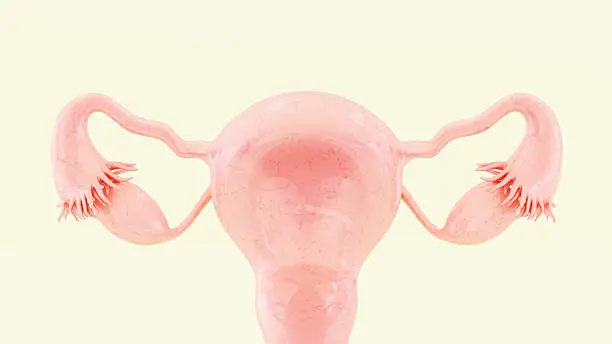
Ovarian confirms that the ovaries are involved. Ovulatory disruption and the follicular pattern remain part of the clinical picture. But the ovaries are not the starting point and they are not the whole story.
Professor Teede noted that the agreed principles of the new name included patient benefit, scientific accuracy, ease of communication, avoidance of stigma, cultural appropriateness, and accompanying implementation. The change was driven with and for those affected by the condition.
Why Was PCOS Renamed?
The short answer is that the old name was always inaccurate, and that inaccuracy caused real harm to real women.
The term PCOS was inaccurate, implying pathological ovarian cysts, obscuring diverse endocrine and metabolic features, and contributing to delayed diagnosis, fragmented care, and stigma, while curtailing research and policy framing.
The misunderstanding about cysts and a focus on ovaries led to missed diagnoses and inadequate treatment.
Research showed that this terminology led to significant diagnostic delays affecting up to 70% of those with the condition, and fragmented care. For Australian women, the average time from first experiencing symptoms to receiving a diagnosis was up to 12 years. Twelve years of being told everything looks normal, of managing symptoms in isolation, of not understanding why your body is responding the way it is.
The name change was the nearly unanimous choice of a panel of clinicians, researchers, and patient advocates, who prioritised scientific accuracy, clarity, stigma avoidance, cultural appropriateness, and implementation feasibility.
The transition to PMOS in clinical practice, research, and public health communication will occur over a three-year period, culminating in PMOS being fully implemented in the International Guideline update in 2028.

What Were the Cysts, and Why Were They Not Actually Cysts?
This is one of the most important things to understand, and it changes the entire picture of what is happening in women with this condition.
The cysts seen on ultrasound are arrested follicles, not pathological cysts in any clinical sense.
Here is what that means in plain language:
In a healthy menstrual cycle, the ovaries develop a group of small follicles each month, each containing an immature egg. Over the course of the cycle, one follicle matures and releases an egg at ovulation. The others are reabsorbed.
In PMOS, this process is disrupted by the hormonal environment. Too many follicles begin developing at once, but the signals they need to mature fully are not arriving in the right balance. They stall and accumulate along the outer edge of the ovary, and on ultrasound they look like a ring of small cysts.
They were never pathological cysts. Researchers confirmed there is no increase in abnormal ovarian cysts in the condition, further demonstrating the need to change the name. Those structures were arrested follicles, immature eggs waiting for a hormonal environment that never arrived. They are a sign of disruption, not the cause of it.
This also explains why many women with PMOS show no follicular pattern on ultrasound at all, and yet still experience every symptom. Associate Professor Magda Simonis, a GP with an interest in women's health, said that under the old criteria, there was too much focus on cysts and the size of cysts on ovaries as a diagnostic criterion, which PCOS always featured as the key criterion. The new name removes that barrier.
Researchers confirmed there is no increase in abnormal ovarian cysts in the condition, further demonstrating the need to change the name.

What Hormones Are Involved in PMOS, and Why?
PMOS is a condition of multiple, interacting hormonal disruptions. Understanding each one helps explain why symptoms are so varied and why a whole-body approach is essential.
LH and FSH: The Signal Imbalance
In the brain, the hypothalamus sends out gonadotropin-releasing hormone pulses with higher frequency in PMOS. This raises luteinising hormone while follicle-stimulating hormone stays the same or is slightly lower.
In a normal cycle, FSH and LH work in a coordinated rhythm to drive follicle development and ovulation. When LH is chronically elevated relative to FSH, follicles cannot complete their development. They stall at an early stage, which is exactly what produces the arrested follicle pattern on ultrasound.
Androgens: The Downstream Effect
Higher LH stimulates theca cells in the ovary to produce more androgens. The disrupted hormonal environment, including high levels of androgens, suppresses the growth and development of ovarian follicles.
Elevated androgens, including testosterone, are responsible for many of the most visible symptoms of PMOS: acne, excess facial or body hair, scalp hair thinning, and oily skin. They also deepen insulin resistance and further disrupt the cycle, creating a self-reinforcing hormonal pattern.
Insulin: The Metabolic Driver
Insulin resistance affects approximately 85% of people with PMOS, including 75% of lean women with a BMI of 25 or below.
This is one of the most important and most misunderstood aspects of the condition. PMOS is not simply a condition of weight or diet. Insulin resistance is present in the majority of women regardless of body size.
High levels of insulin also increase the production of androgens. And increased androgens will also make you more insulin resistant. There is a vicious cycle between the two.
This bidirectional relationship between insulin and androgens is one of the core reasons why PMOS is so difficult to manage with a single intervention. Addressing insulin alone without addressing androgens, or vice versa, rarely produces lasting results.
SHBG: The Missing Buffer
PMOS leads to suppression of sex hormone binding globulin and increased insulin levels. SHBG is a protein that binds to androgens and keeps them inactive in the bloodstream. When insulin suppresses SHBG, more free testosterone and other androgens circulate through the body, amplifying androgen-driven symptoms even when total androgen levels appear within the normal range on standard testing.
This is why standard blood tests often miss what is happening. A woman can have normal total testosterone but significantly elevated free testosterone when SHBG is low. Comprehensive testing that includes SHBG is essential to understanding the full picture.
AMH: The Follicular Brake
Anti-Mullerian hormone is produced by developing follicles and is elevated in PMOS. AMH normally acts as a gatekeeper that inhibits primordial follicles from entering the growth phase. When AMH is chronically elevated, it acts as an additional brake on follicle development, contributing to the arrested follicle pattern and disrupted ovulation.
AMH is now being used as a more reliable diagnostic marker for PMOS than ultrasound alone, particularly in younger women where the follicular appearance is common and less diagnostically specific.

Why Does the Name Change to PMOS Matter for Diagnosis?
The shift from PCOS to PMOS is expected to meaningfully change how the condition is identified and assessed in clinical practice.
Associate Professor Simonis said the new name empowers GPs to make a diagnosis with an emphasis on lifestyle and listening to women. She noted that a woman may come in not necessarily talking about irregular periods, but about resistance to weight loss, acne, or other concerns depending on the stage of life she is at.
This broader lens is important because PMOS presents differently in every woman. Some have irregular cycles. Some do not. Some have visible follicles on ultrasound. Many do not. Some are lean. The old diagnostic framework, anchored to ovarian cysts and reproductive symptoms, missed too many of them.
Associate Professor Simonis also noted that with the focus of PMOS on hormonal or endocrine disorders, there is now more potential for GPs to identify women at future risk of other chronic diseases and provide early interventions, particularly around late onset diabetes and cardiovascular disease.
This preventative framing is significant. PMOS is not just a condition that affects periods and fertility. It carries long-term implications for metabolic health, cardiovascular risk, and mental wellbeing that deserve to be addressed from the point of diagnosis.
The Transition to PMOS in Australia and Worldwide
The transition to the new name will occur over three years, supported by a multi-pronged strategy with a view to greater awareness, enhanced diagnosis, improved care quality and patient satisfaction, and optimised outcomes across the broad features of the condition. This period will be supported by a major international education and awareness campaign reaching healthcare professionals, governments, and researchers around the world. PMOS will be fully implemented in the 2028 International Guideline update.
For Australian women, the practical implication is that the language used by your doctor, specialist, or nutritionist may shift over the coming months and years. If you have an existing PCOS diagnosis, that diagnosis remains valid. You now have PMOS. Nothing about your history has changed, but the framework for understanding and addressing your condition has become more complete.
Lorna Berry, an Australian woman with PMOS who played a key role in the renaming process, said the result will be life changing. She said: "This is about accountability and progress. It is about my daughters, their daughters, and the countless women yet to be born. We deserve clarity, understanding, and equitable healthcare from the very beginning."
What This Means If You Have Been Told Your Results Are Normal
One of the most common experiences among women with PMOS is being told that their blood tests or ultrasound results are normal, despite ongoing symptoms that clearly are not.
The old diagnostic framework created blind spots. If an ultrasound showed no visible follicles, a diagnosis was often withheld. If total testosterone appeared within the reference range, androgen excess was dismissed. If cycles were regular, the condition was ruled out. These are all scenarios where PMOS can still be driving significant symptoms, and where a comprehensive hormonal and metabolic assessment would tell a very different story.
Rachel Morman, Chair of Verity (PCOS UK) and a lived experience expert on the global name change process, said the previous name misrepresented the true nature of the condition. She said: "It is fantastic that the new name now leads with hormones and recognises the metabolic dimension of the condition. This shift will reframe the conversation and demand that it is taken as seriously as the long-term, complex health condition it is."
If you have symptoms that align with PMOS and have not received clear answers, the name change is not just symbolic. It is clinical permission to be assessed more thoroughly, and to expect more thorough care.

How PMOS Is Supported at Perth Nutrition and Natural Health Clinic
At Perth Nutrition and Natural Health Clinic in Treeby, I assess the full hormonal and metabolic picture for women with PMOS. This includes a comprehensive review of androgens, insulin, LH, FSH, SHBG, AMH, thyroid function, and nutrient status, because every system influences the others and no single marker tells the whole story.
I use functional testing including DUTCH hormone testing, which provides detailed information about how hormones are being produced, converted, and cleared, and GI Map stool analysis, which gives objective data on gut microbiome health and its relationship to hormonal balance.
Treatment plans are personalised based on your individual results and clinical picture, not a generic PMOS protocol. That means targeted nutrition strategies, evidence-based supplementation, lifestyle support, and a clear explanation of what is actually driving your symptoms and what we are doing about it.
I work with women across the Perth metropolitan area, including Cockburn, Canning Vale, Piara Waters, Harrisdale, Murdoch, and Southern River, and via telehealth across Australia.
Book a consultation at perthnaturalhealthnutrition.com.au or call 0413 376 413.
Clinic hours: Mondays 10:30am to 6pm and Saturdays 9:30am to 1pm.
Link to download your FREE PDF Polyendocrine Metabolic Ovarian Syndrome Guide
Includes nutrition and lifestyle recommendations.
Frequently Asked Questions About PMOS
What is PMOS? PMOS stands for polyendocrine metabolic ovarian syndrome. It is the new official name for the condition previously known as PCOS. The name was announced on 12 May 2026 in The Lancet following 14 years of global research and consultation involving more than 22,000 women and health professionals worldwide.
Why was PCOS renamed to PMOS? The old name was clinically inaccurate. It implied that cysts on the ovaries were the defining feature, when research has confirmed there are no abnormal ovarian cysts in the condition. The structures seen on ultrasound are arrested follicles caused by hormonal disruption. The new name more accurately reflects the condition as a multisystem hormonal and metabolic disorder.
Does my PCOS diagnosis still apply? Yes. If you have an existing PCOS diagnosis, it is still valid. PCOS and PMOS refer to the same condition. The name has changed to better reflect the underlying physiology.
Can you have PMOS without cysts on an ultrasound? Yes. Many women with PMOS have no visible follicular pattern on ultrasound. The diagnosis is based on the broader hormonal and metabolic picture, not ultrasound findings alone. This was one of the main reasons the name was changed.
What hormones are involved in PMOS? PMOS involves multiple interacting hormonal disruptions including elevated LH relative to FSH, androgen excess including testosterone, insulin resistance, suppressed SHBG, and elevated AMH. These systems reinforce each other, which is why a comprehensive assessment matters.
How long does PMOS take to diagnose? Under the old criteria, it could take up to 12 years. The new name and broader diagnostic framework are intended to reduce this significantly by expanding the clinical lens beyond ovarian morphology.
Can a nutritionist help with PMOS in Perth? Yes. Clinical nutrition plays a central role in PMOS management, particularly around blood sugar regulation, insulin sensitivity, androgen balance, and gut microbiome health. Perth Nutrition and Natural Health Clinic offers in-clinic consultations in Treeby and telehealth across Australia.
Is PMOS just a fertility condition? No. PMOS affects hormones, metabolism, skin, mood, energy, gut health, and long-term cardiovascular and metabolic risk. Fertility is one aspect of the condition but focusing on fertility alone misses its broader impact on daily health and wellbeing.
References:
Caldwell, A. (2026, May 12). PCOS renamed PMOS in landmark global consensus to improve care. European Medical Journal. https://www.emjreviews.com/reproductive-health/news/pcos-renamed-pmos-in-landmark-global-consensus-to-improve-care/
Endocrine Society. (2026, May 12). Polyendocrine metabolic ovarian syndrome: New name to improve diagnosis and care of condition affecting 170 million women worldwide. https://www.endocrine.org/news-and-advocacy/news-room/2026/pcos-name-change
Roberts, J. (2026, May 12). PCOS officially renamed polyendocrine metabolic ovarian syndrome. newsGP. https://www1.racgp.org.au/newsgp/clinical/pcos-officially-renamed-polyendocrine-metabolic-ov
Teede, H. J., Piltonen, T., Dokras, A., Morman, R., & collaborators. (2026). Polyendocrine metabolic ovarian syndrome, the new name for polycystic ovary syndrome: A multistep global consensus process. The Lancet. https://doi.org/10.1016/S0140-6736(26)00717-8

