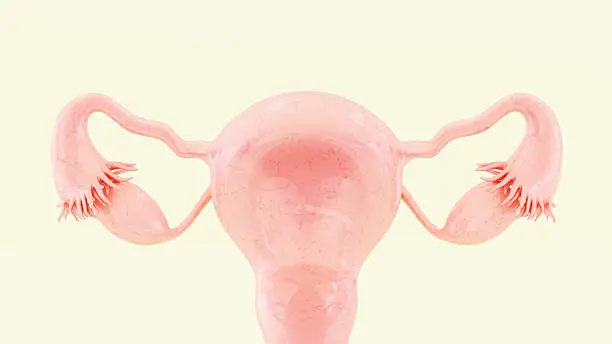
PMOS Nutrition Plan: A Simple Guide to Managing PMOS and Insulin Resistance Naturally
Balance Your Hormones, Boost Your Energy, and Take Back Control of Your Health Naturally
Polycystic Ovarian Syndrome (PCOS)/ Polyendocrine Metabolic Ovarian Syndrome (PMOS) and insulin resistance are more than just medical terms. They indicate that your body's hormone system is out of balance. Fortunately, food can be one of your most powerful tools for healing.
Scientific understanding now confirms what traditional medicine has long recognized: our relationship with the world, particularly our response to stress, profoundly affects our health. Prolonged or repeated stress leads to significant "wear and tear" on the body, contributing to various health consequences, including insulin resistance.
This guide outlines a clear and sustainable approach to nutrition. It is designed to help restore hormonal balance, manage symptoms, and support your overall well-being through smart dietary and lifestyle choices.
Why Nutrition is Essential for PCOS/ PMOS
PCOS/PMOS and insulin resistance often result from hormonal imbalances caused by stress, poor diet, and inflammation. These issues disrupt your body's endocrine system, which controls everything from metabolism to mood.
A nutrition plan that stabilizes blood sugar, reduces inflammation, and provides essential nutrients can significantly reduce symptoms. More importantly, it helps your body function as it should.

Core Nutrition Principles for PCOS and Insulin Resistance
1. Eat a Balanced Whole-Foods Diet
Choose foods in their natural, unprocessed state. Whole foods are rich in vitamins, minerals, fibre, and antioxidants. These nutrients support your body without the harmful additives and preservatives found in processed products.
2. Manage Blood Sugar and Prevent Hypoglycaemia
For individuals with insulin resistance, maintaining stable blood sugar is crucial. Eating patterns that spike your blood sugar can worsen insulin resistance. This involves not only avoiding excess sugar and refined carbohydrates, which can cause sharp spikes and crashes in blood glucose, but also actively preventing low blood sugar (hypoglycemia).
A key strategy is to pair lean proteins with complex carbohydrates at every meal. Eat smaller, more frequent meals throughout the day to avoid crashes and reduce metabolic stress from blood sugar fluctuations, keeping your energy steady.
3. Follow an Anti-Inflammatory Diet
Chronic inflammation is a major contributor to PCOS/PMOS symptoms and worsens insulin resistance. Adopting an anti-inflammatory diet is a powerful strategy for managing these conditions. This involves choosing foods that actively combat inflammation, particularly those rich in essential fatty acids (EFAs), which play a key role in modulating the body's inflammatory response.

Best Foods for PCOS, PMOS and Insulin Resistance
This section outlines the specific food categories to build your meals around. These foods are chosen for their ability to provide sustained energy, support hormone balance, and supply the critical nutrients needed to address the underlying factors of PCOS and insulin resistance.
Combine High-Protein Foods with Complex Carbohydrates
To effectively manage blood sugar and address hypoglycaemia, it is essential to combine high-protein foods with complex carbohydrates at each meal and snack. This combination slows digestion and promotes a gradual release of glucose into the bloodstream, preventing energy crashes and cravings. For example, oatmeal is an excellent breakfast choice and an effective way to derive key nutrients from oats (B vitamins, carotenes, and minerals like magnesium and chromium).
Great meal ideas include oatmeal with seeds, quinoa with vegetables, or eggs with sweet potato.
Add Healthy Fats and Omega-3s
Essential Fatty Acids (EFAs) are crucial for reducing inflammation. Incorporating high-quality oils and cold-water fish into your diet is an effective way to increase your intake of these beneficial fats.
These foods include salmon, chia seeds, flaxseeds, walnuts, hemp seeds, and extra virgin olive oil. Aim for two to three servings of cold-water fish per week for a natural source of Omega-3s.
Foods to Avoid for Hormonal Balance
Managing PCOS, PMOS and insulin resistance is as much about what you choose to limit as what you include. This is not about deprivation, but rather a strategic decision to reduce dietary excesses that can place stress on your system and worsen symptoms. By minimizing these items, you help create a more stable internal environment.
Sugar and Excess Refined Carbohydrates: These foods can disrupt blood sugar balance and should be avoided to support stable energy levels and insulin sensitivity.
Caffeine and Alcohol: Consumption of caffeine and alcohol should be minimized, as they can contribute to metabolic and hormonal stress.
Red Meat and Large Amounts of Dairy: It is recommended to minimize the consumption of red meat and large quantities of dairy products as part of this nutritional plan.
How to Structure Hormone Friendly Meals
How and when you eat can be just as important as what you eat for managing blood sugar and maintaining consistent energy levels. Instead of consuming two or three large meals, which can lead to significant fluctuations in blood glucose, a different approach is recommended.
The core strategy is to address hypoglycaemia by eating frequent small meals and snacks with high protein, healthy fats, and complex carbohydrates. This approach helps prevent the blood sugar crashes that can trigger cravings, fatigue, and irritability. By providing your body with a steady stream of fuel throughout the day, you support metabolic stability and help regulate the hormonal responses tied to eating.

Lifestyle Support: Beyond Your PCOS/PMOS Diet Plan
Nutrition is a powerful tool, but its effectiveness is magnified when combined with supportive lifestyle practices. These habits are essential for managing stress, which is a known contributor to endocrine dysregulation and insulin resistance. A holistic approach that includes diet, exercise, and stress reduction offers the most comprehensive support for your health.
1. Engage in Moderate Exercise
Regular, moderate physical activity helps improve pelvic circulation, promotes regular bowel elimination, and is a proven way to reduce stress.
2. Practice Stress Management
Actively engaging in relaxation techniques can help regulate the body’s stress response. Effective practices include yoga, tai chi, meditation, art therapy, and journaling.
I always recommend using the free app called InsightTimer for listening to calming music and guided meditations to support your relaxation. It is best to use the app at night before bed to decrease your body's stress load from the day. And of course, you can use it anytime you feel stressed or overwhelmed.
3. Build and Maintain Social Support
Social connection is one of the most important factors in moderating the stress response. Individuals with an established social network respond better to stress and illness. Building and nurturing these connections is a critical component of long-term health.
Final Thoughts on Managing PCOS, PMOS and Insulin Resistance
This nutrition and lifestyle plan is designed to empower you with sustainable strategies to support hormonal balance and metabolic health. By focusing on real food, stable blood sugar, anti-inflammatory nutrition, and holistic self-care, you work with your body’s natural systems to restore balance and wellness.
Additional Resources for Your Journey
If you're looking for more guidance, consider reaching out to a nutritionist or healthcare professional who specializes in hormonal health. They can provide personalized advice tailored to your unique needs. Remember, you are not alone in this journey. Support is available, and taking the first step is a powerful move toward reclaiming your health.
By implementing these strategies, you can take back control of your health naturally, balancing your hormones and boosting your energy along the way.